

Workplace noise assessment - noise surveys at work
Noise assessment service for all UK workplaces.
Occupational noise assessment for employee noise exposure levels to help companies comply with the HSE’s Control of Noise at Work Regulations 2005.
Expert noise assessor with over 30 years of experience in workplace noise assessment.
I carry out noise assessments throughout England, Scotland and Wales.
Common-sense noise assessment reports with clear recommendations and advice.
“Thanks very much for your assessment report, I have to say as someone with little experience of noise assessments it is such an easy format to follow.” Health and Safety Manager, Nottinghamshire, July 2026
What is a noise assessment or noise survey at work?
A workplace noise assessment is an assessment of the occupational noise risk employees face at work - the noise levels to which employees are exposed as required by the Control of Noise at Work Regulations 2005. A noise assessment should follow what the HSE lay out in L108, Controlling Noise At Work and covers:
Identification of who is exposed to a noise risk, and to what level.
Whether the noise risks meet the legal limits set out in the Noise Regulations or not.
The noise assessment identifies who needs hearing protection, noise safety training and hearing health surveillance.
It will advise on possible steps to reduce the occupational noise exposures.
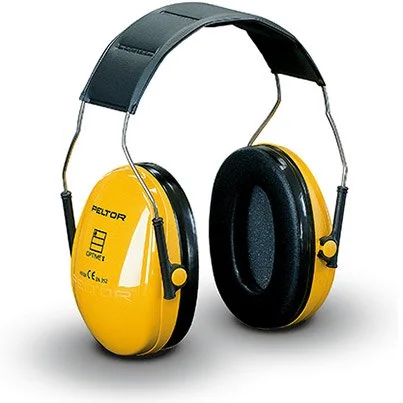
The noise assessment assesses the hearing protection in use to make sure it is suitable for the noise risk and recommends alternatives if needed.
It will identify or confirm what hearing protection zones are needed.
Gives you all the information needed for the final noise risk assessment.
With 30 years of experience, I provide clear HSE-compliant noise assessments for all workplaces.
“Thank you for putting that into really nice, easy to understand terms. I really appreciate your explanation and guidance.”
Workplace noise assessment
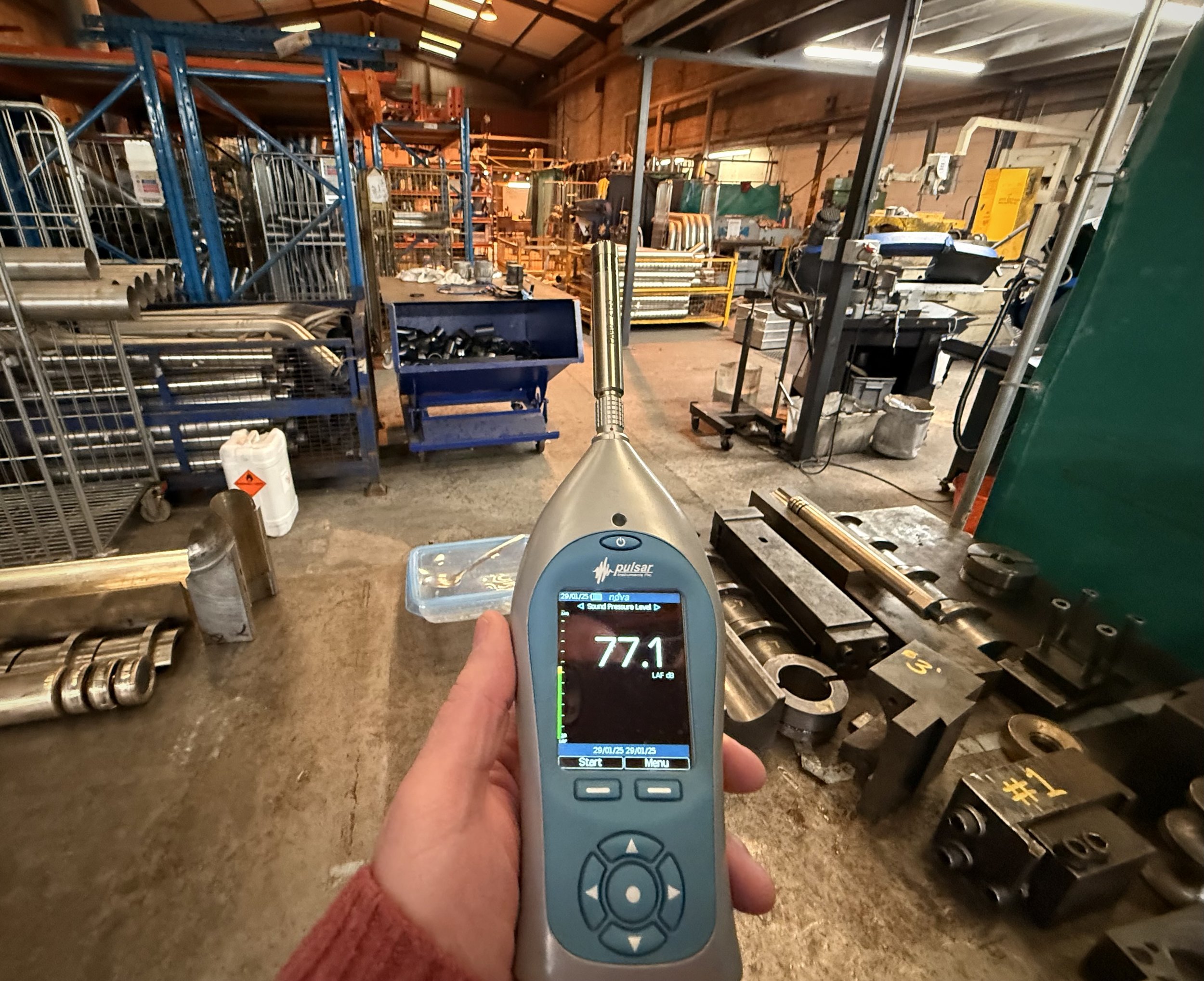
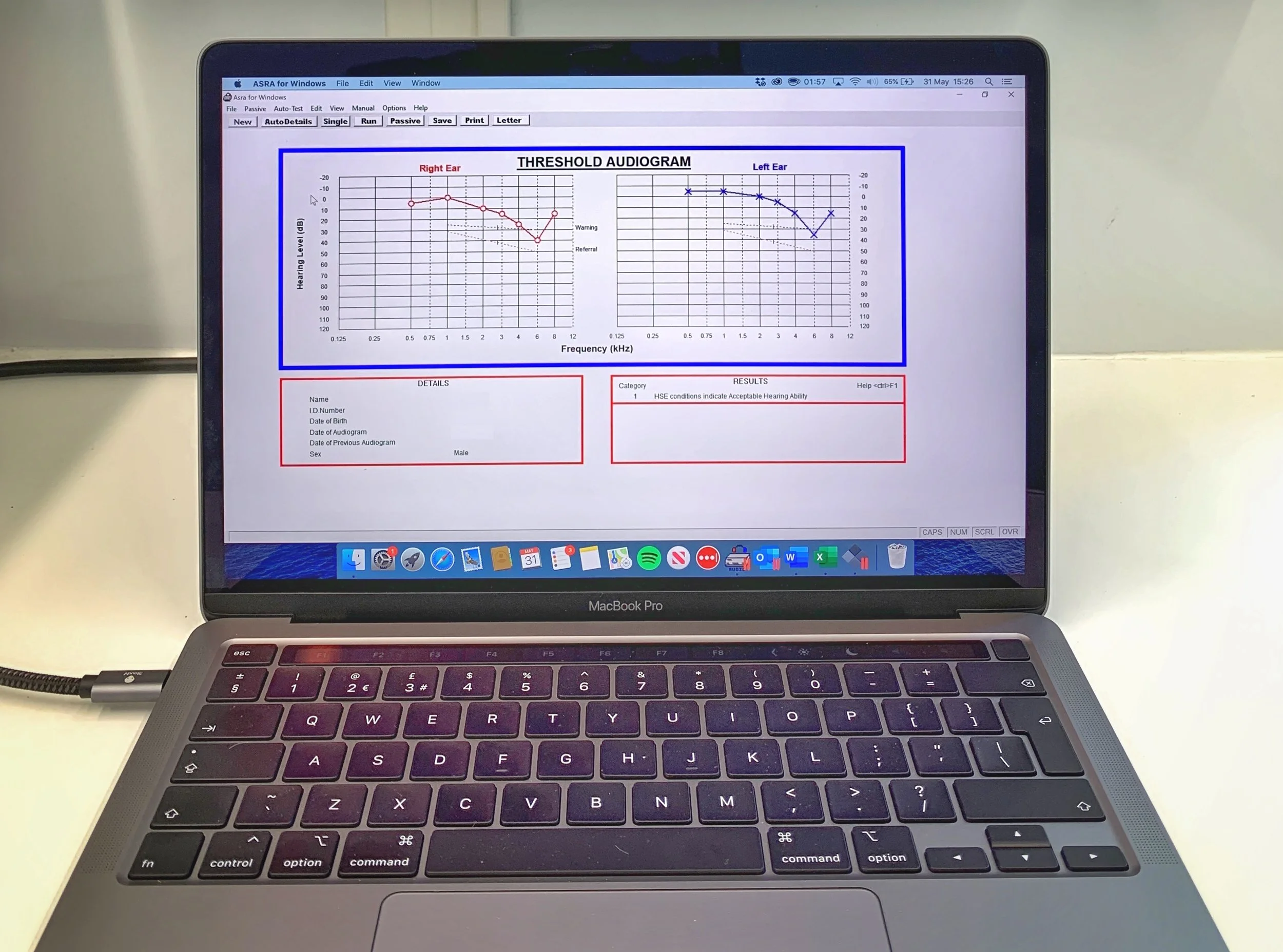
All my noise assessments identify employee noise exposures (both averages and peaks) and assess hearing protection suitability, both current and potential alternatives. They also look at sources of noise and potential controls that could be used. The noise assessment looks at training and health surveillance needs.
Simple on the day
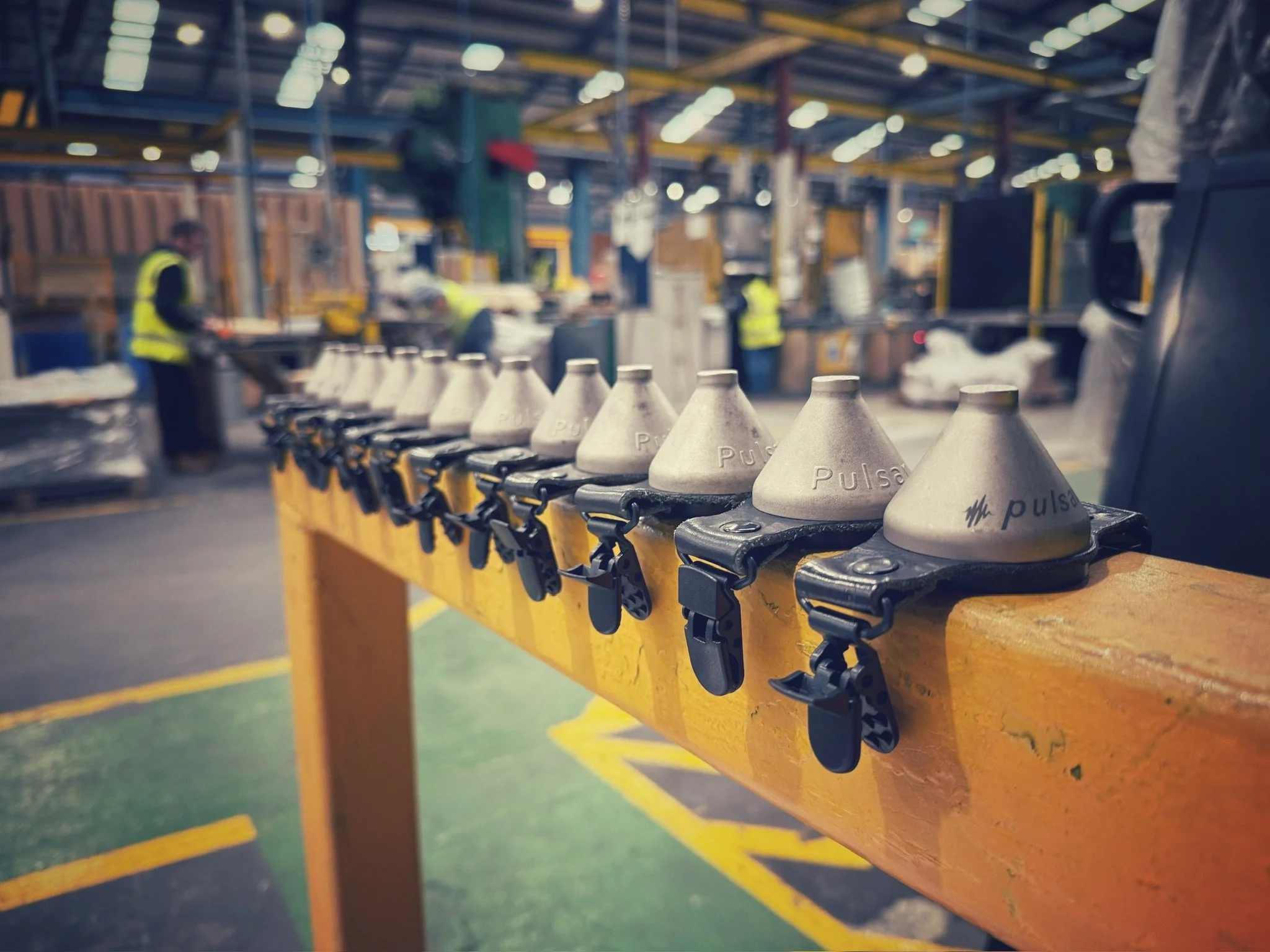
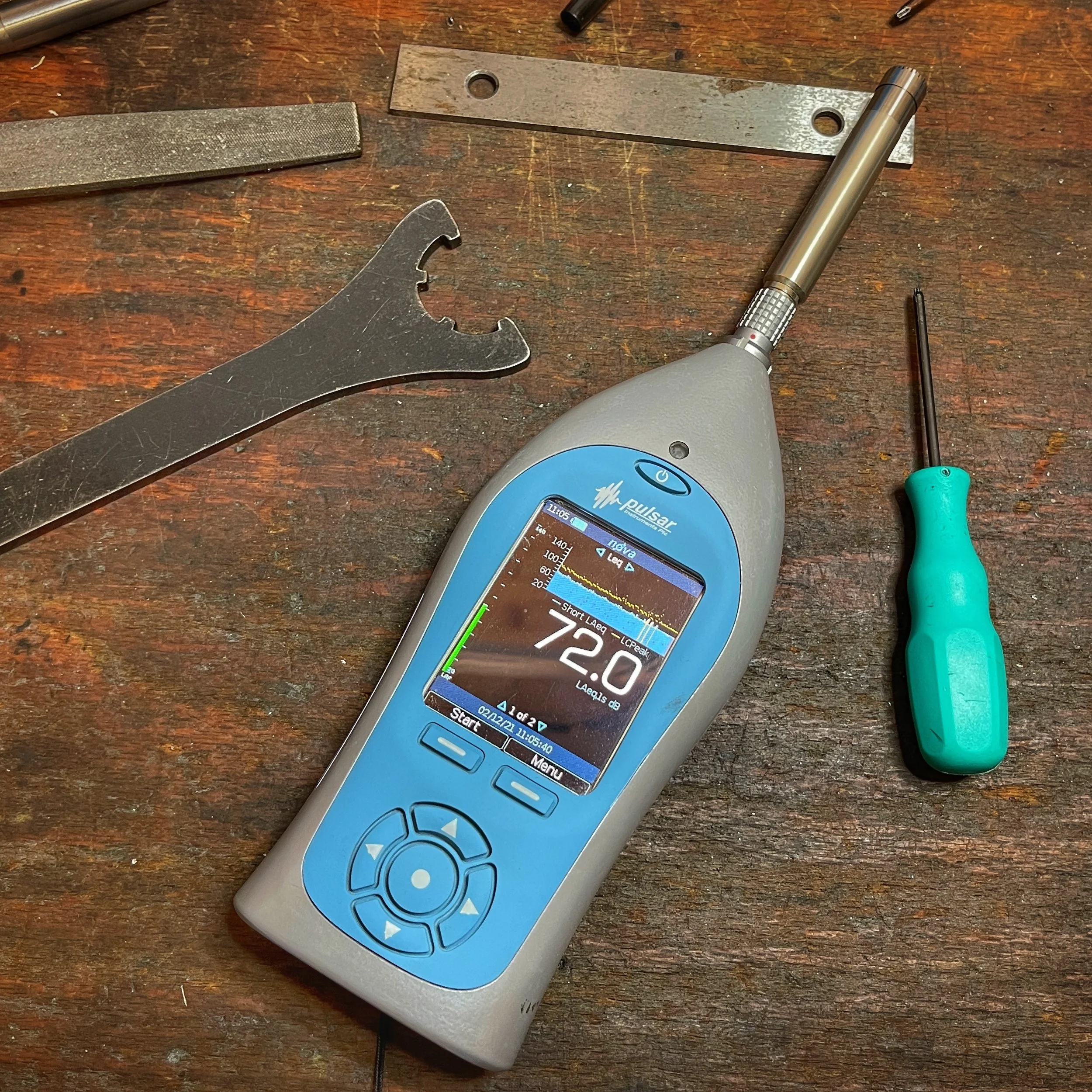
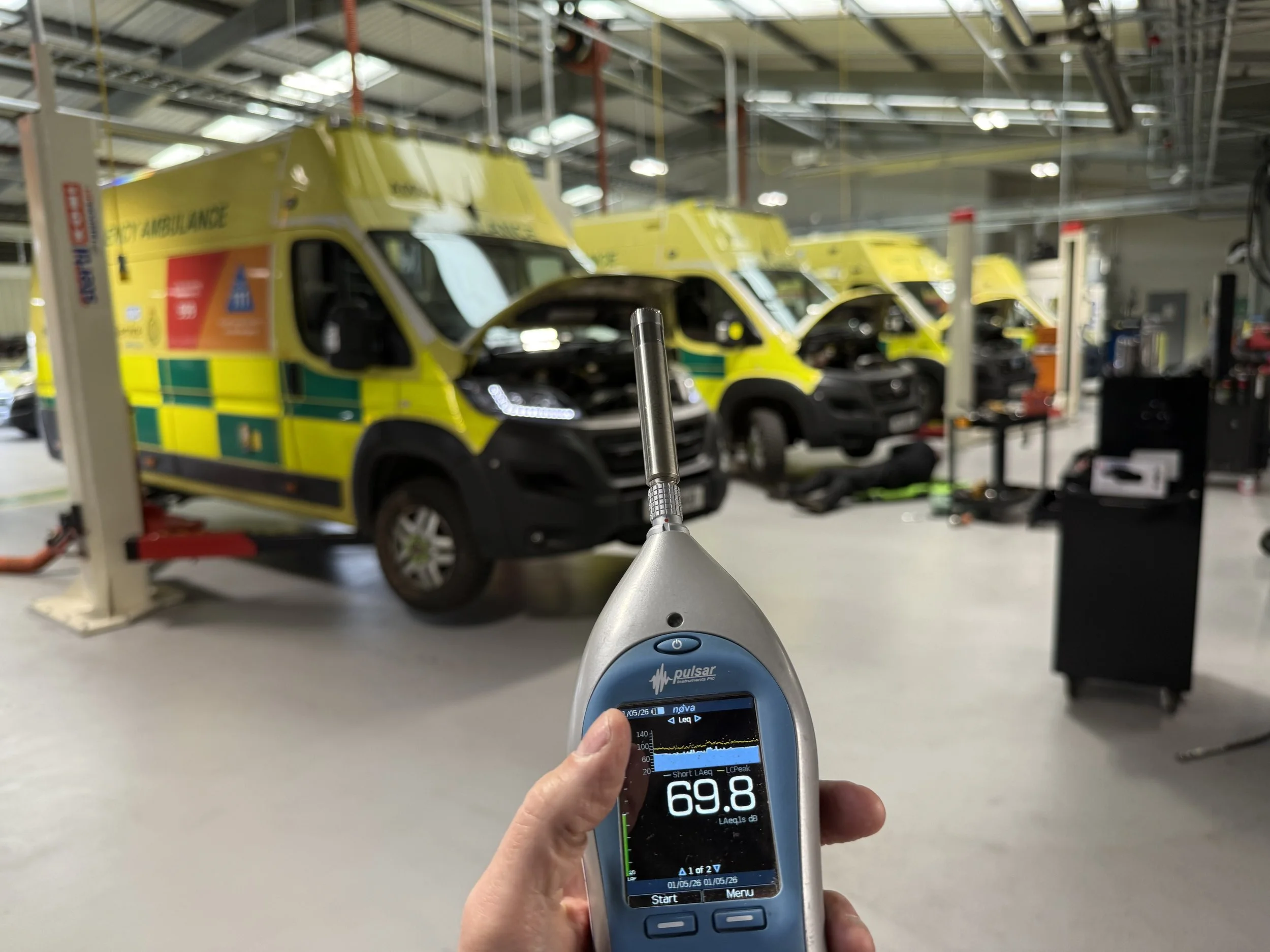
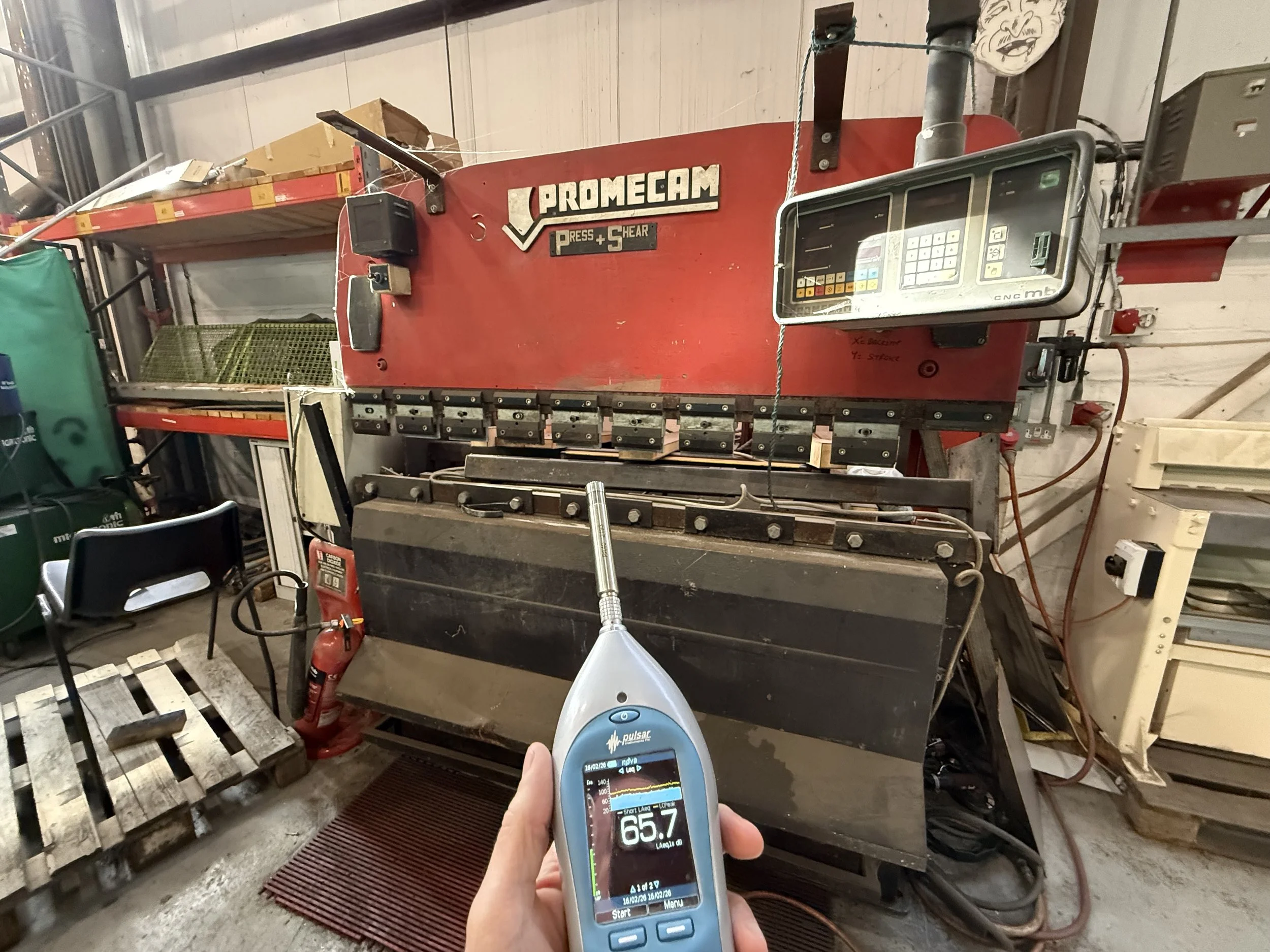
Point me at the area you want the noise survey to cover and I will assess the average and peak noise levels, using whichever type of noise meter best suits. Noise measurements are made for as long as is needed to get a good result. From the client’s side, ensure key machines will be running or can be started to do a sample reading.
The noise assessment report
I do not take the approach of ‘masses of complex-looking data must be good’. Clients engage me to tell them what their noise risk is and what to do about it, and clarity is key. All the data is there for those who want it but for those who don’t there is a simple ‘your noise risks are this so do this next.’
“It was good to meet you last week and many thanks for your helpful information on the day, really appreciated it. Thank you for the detailed report - so much easier to understand than the one from our previous consultant! I wasn’t expecting [the report back] as quickly as this either so double win.”
Get your noise assessment quote
For a straight-forward noise assessment price in your workplace, sent to you same-day in most cases, either complete the form or email hello@thenoisechap.com, or call 0330 133 1417.
The key information is where you are in the UK and an indication of how many people work in the high noise area needing surveying.
I will send a noise assessment quote straight back giving a simple single price and confirming all the contents.
“Thank you so much for all your help. I’d also just like to say that the report is extremely helpful from the point of view of someone who is not a noise expert so thank you for that!”
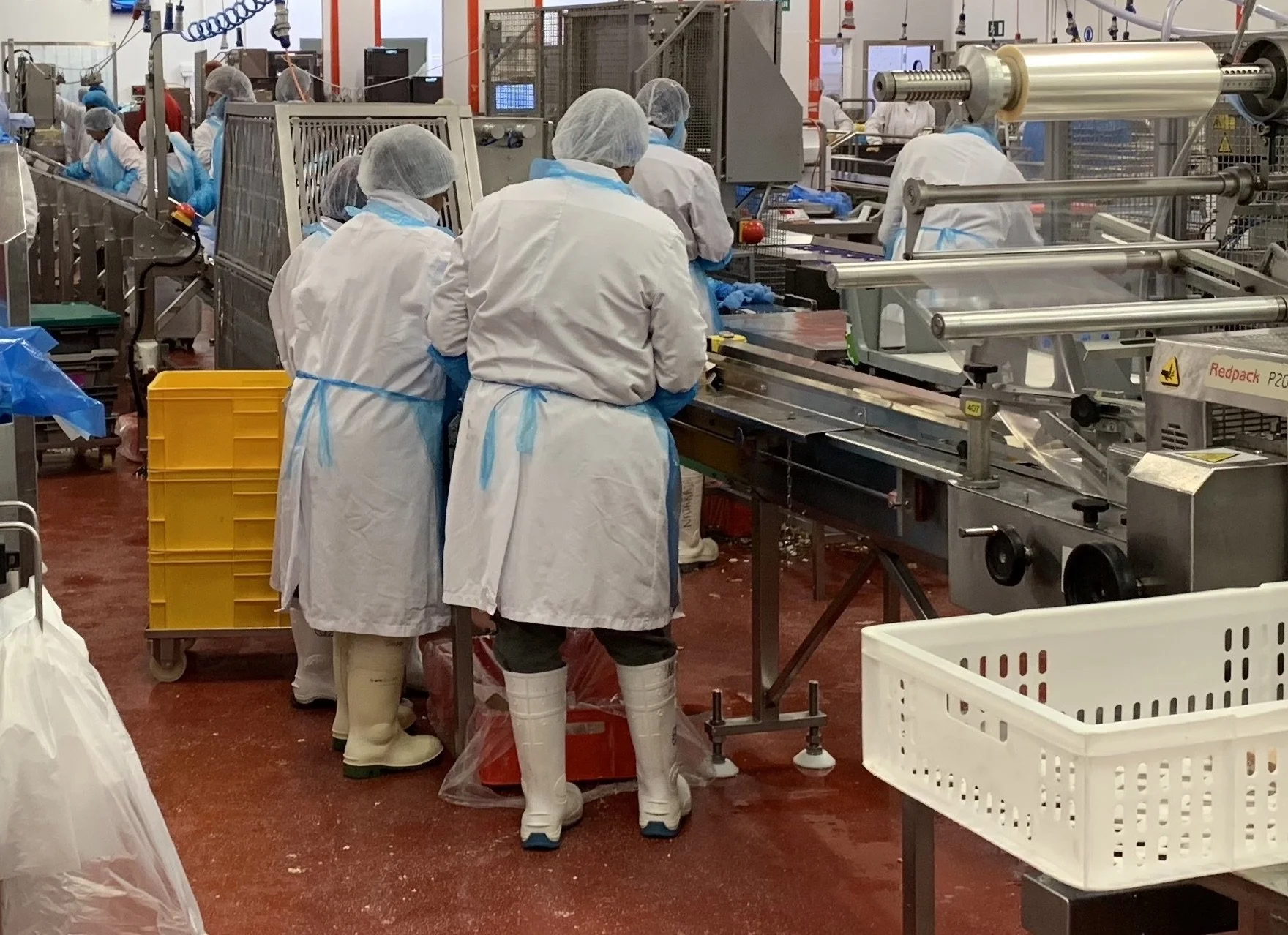
Industrial noise assessment for any workplace, any industry, any size
Over 600 noise assessment clients, ranging from small companies with a handful of staff to organisations like the NHS.
I have noise assessment clients from Inverness to Cornwall, Kent to Pembrokeshire, and everywhere between.
food industry ● joinery ● engineering ● packaging ● pharmaceuticals ● grounds-keeping ● vehicle maintenance ● shipping
motor industry ● foundries ● plastics ● hospitality ● recycling ● local councils ● retail ● windows and doors
agriculture ● entertainments ● warehousing and logistics ● furniture ● quarries ● colleges
Clients include small owner-operated businesses through to Tata, XPO Logistics, the NHS and the British Army.
“Thank you very much for the noise assessment, far more in depth than I was expecting. That should keep the HSE happy.”
Low-cost noise assessment
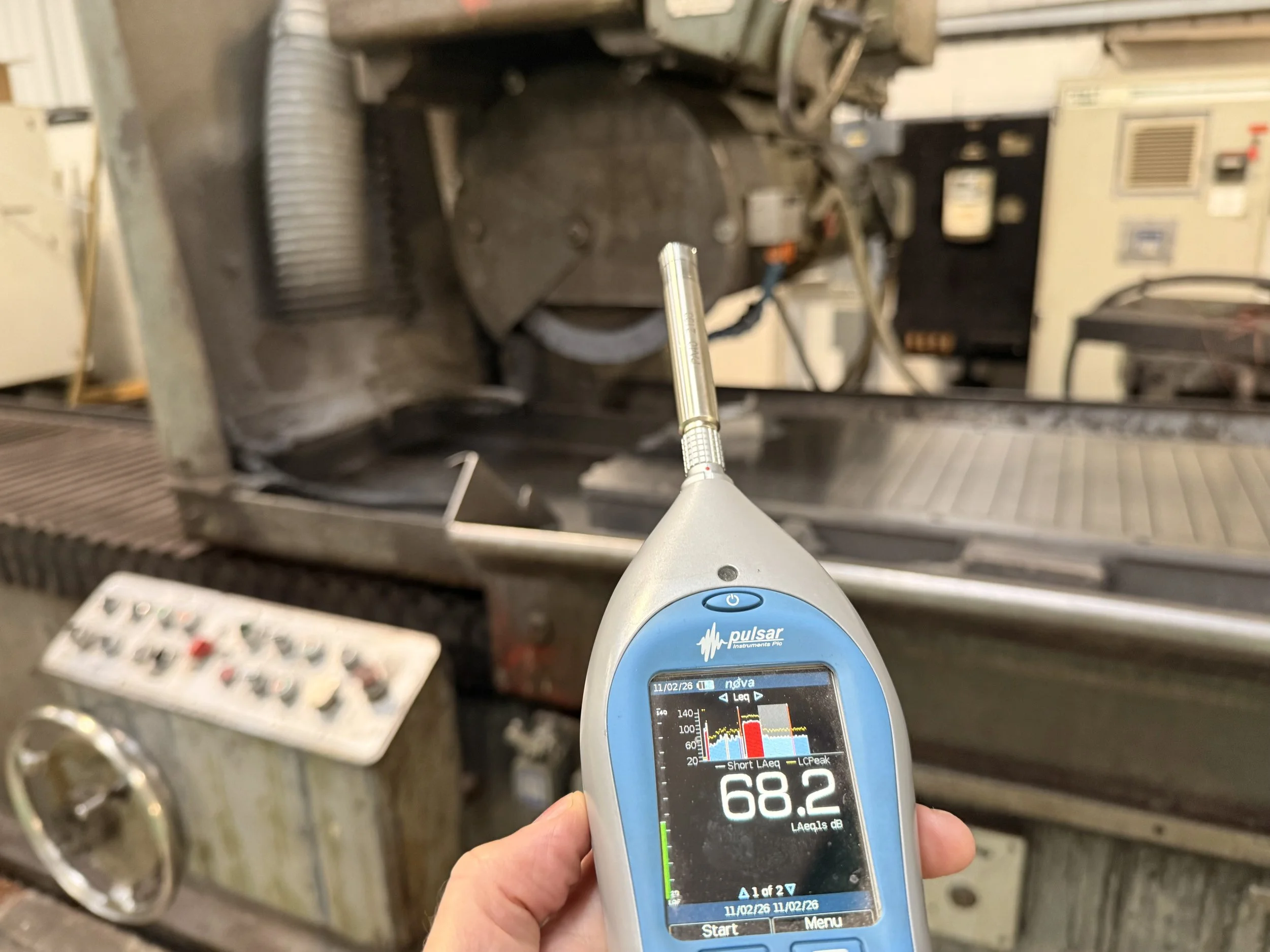
As I am just me I have very few overheads so can offer noise assessments anywhere in the UK, for any type of industry, at competitive rates.
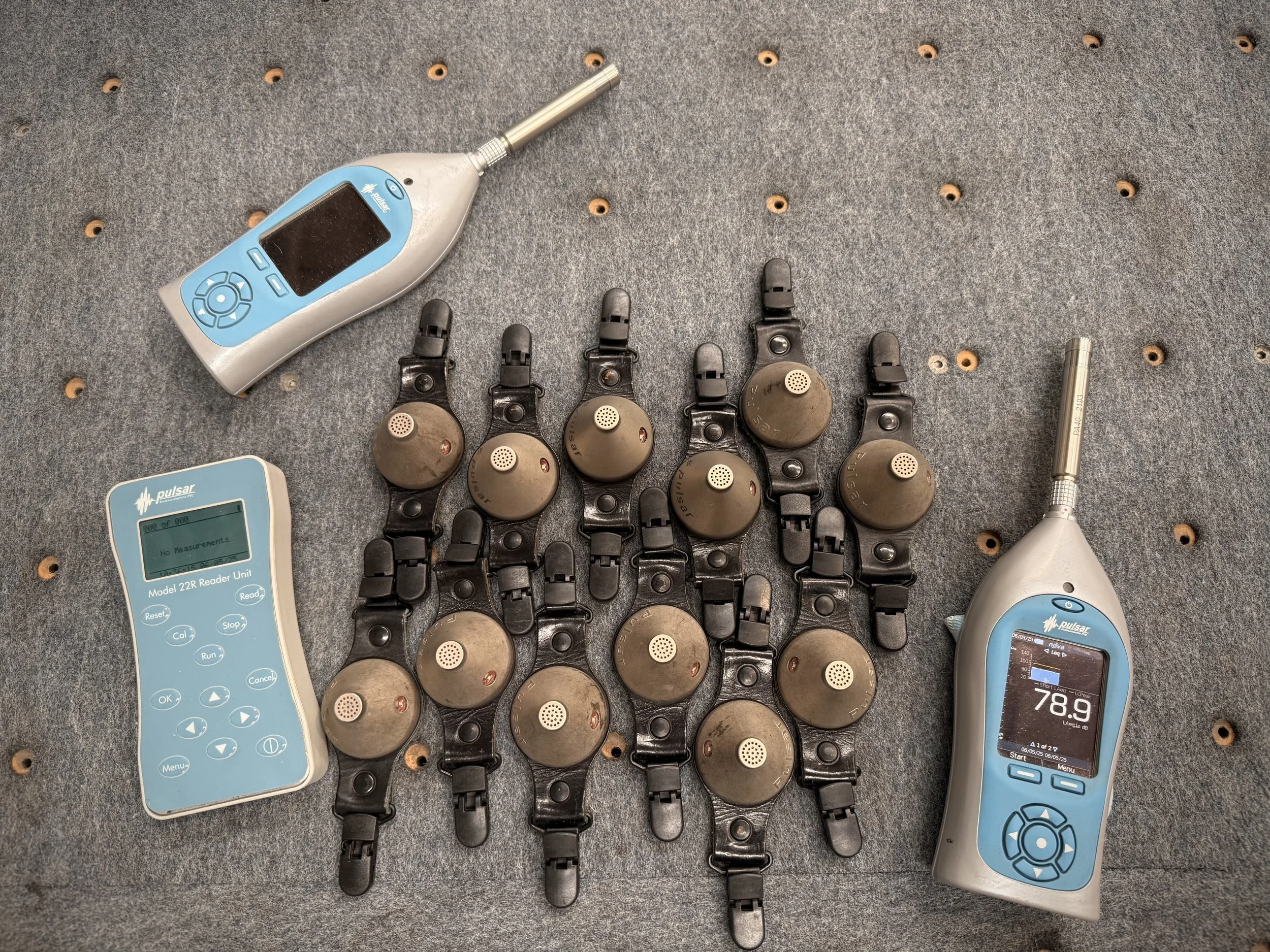
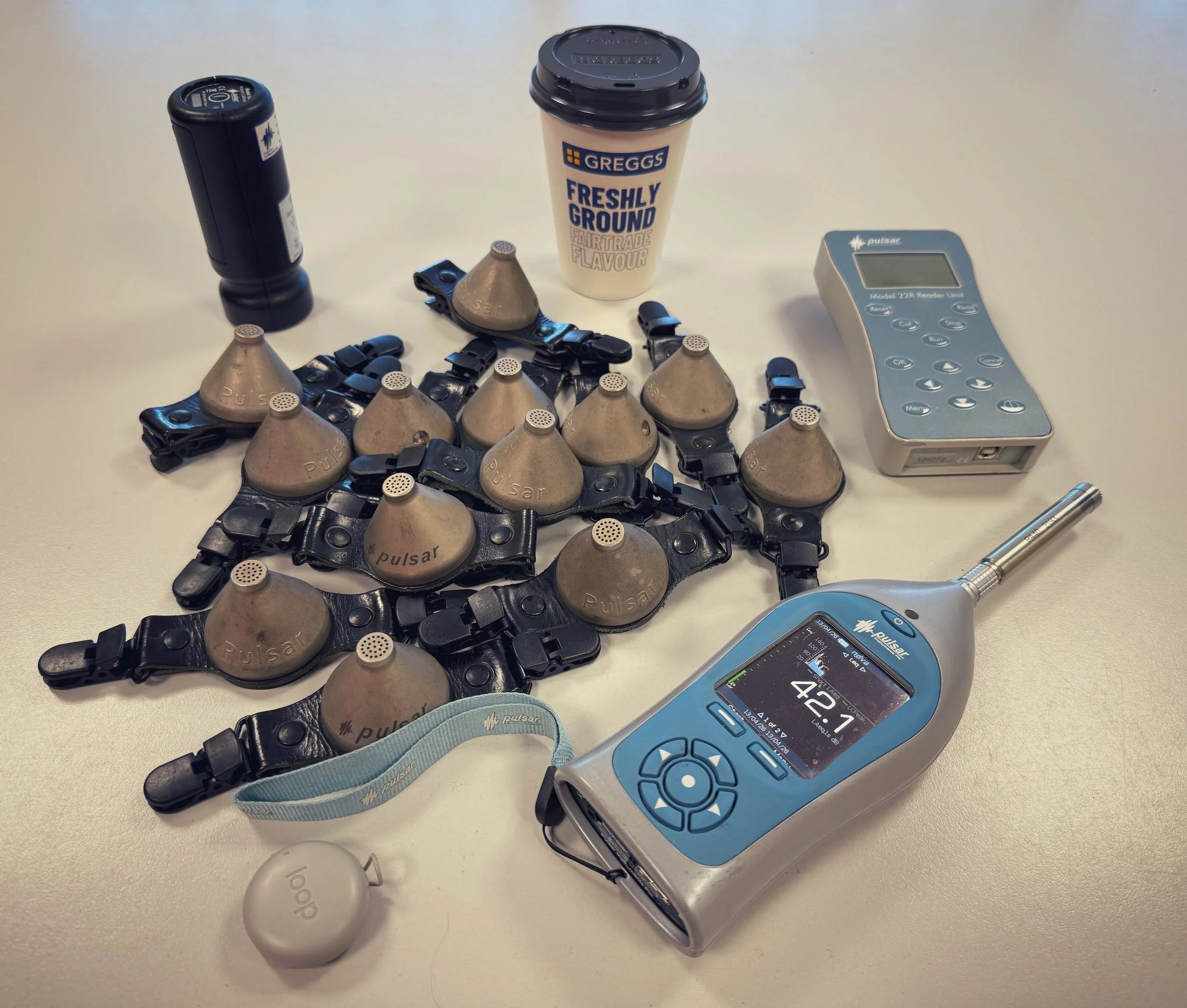
Added to this I use up to 15 noise meters so can cover a wide area simultaneously, giving a fast and accurate noise survey without padding the invoice.
HSE-compliant noise survey
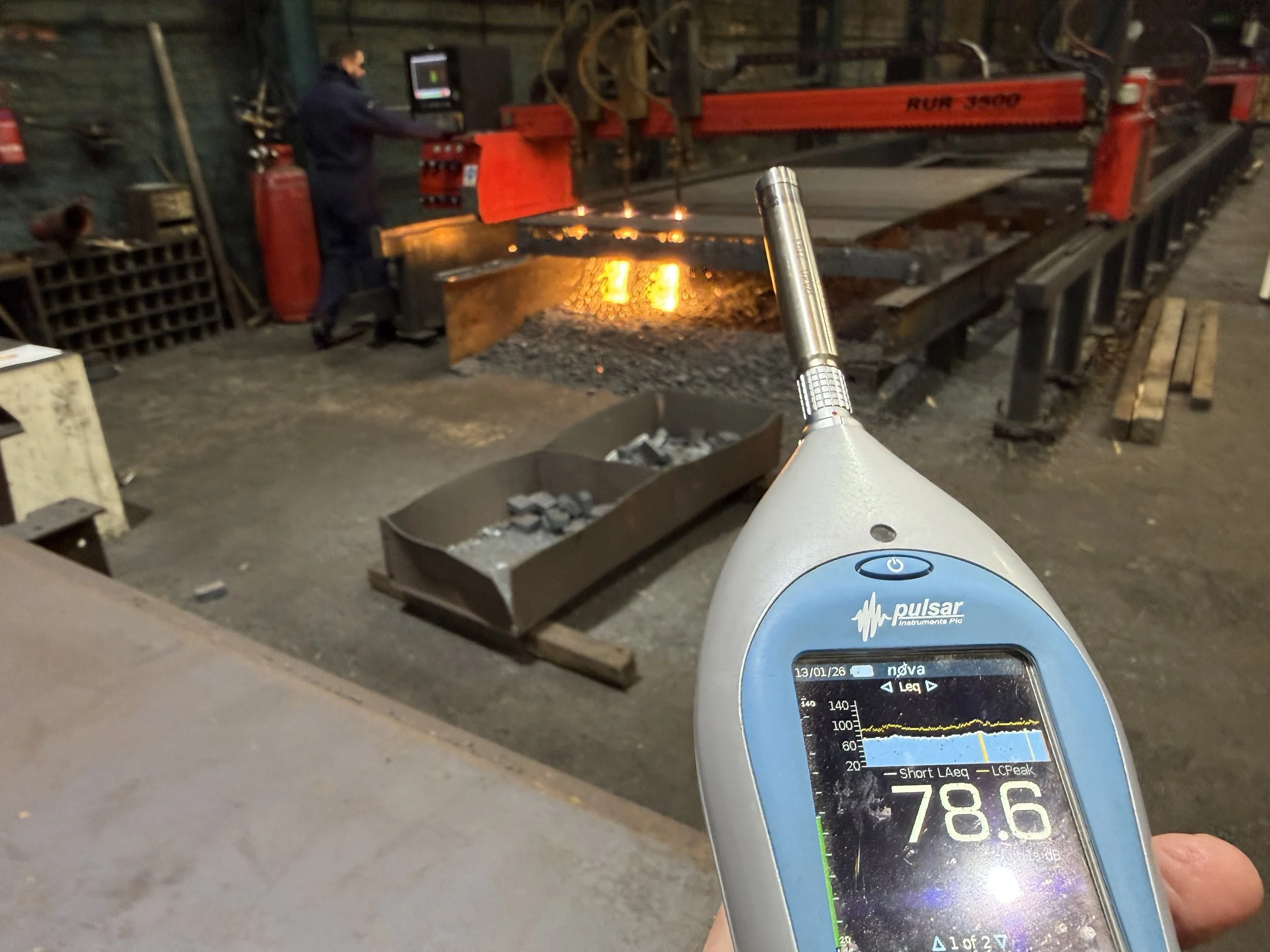
If you’ve had the HSE visit you and been told you need to look into the noise issues in your workplace, then my noise assessment is what you need.
I do several noise assessments every month for new clients who have had a HSE visit and now need to get on top of the occupational noise issues.
Noise survey competence
“Just wanted to thank you for your support and excellent service you provided. Information on the day and content of the report has given us a much better understanding of both our noise risks and the practical measures required to manage them effectively. The guidance and recommendations have been extremely valuable and are very much appreciated.”
I have extensive competence for noise assessment at work, including certifications from the Institute of Acoustics and the NEBOSH Diploma.
I also have over 30 years of experience of undertaking noise assessments and workplace hearing testing - both sides of noise safety.
How a noise assessment works on the day
I will arrive on site, ask a few background questions about things like noise training history, hearing protection policies, shift patterns, if you have any known hard-of-hearing employees, what current policies are, etc. I then get on with measuring the noise levels.
The noise survey can include putting wearable meters on the shoulders of some people, using long-term meters in certain static positions, and using a hand-held meter to get detailed noise measurements for various tasks.
The approach in places where there is often no set working routine can be a little different. In places where different jobs are done each day, I need someone to quickly operate the tools which are not in use so I can get a noise reading from them.
“I have seen a fantastic noise assessment you completed at our Northampton Distribution Centre and wondered if you would be able to offer the same services at another one of our distribution centres please?”
A noise assessment can sometimes save you money
Case Study 1
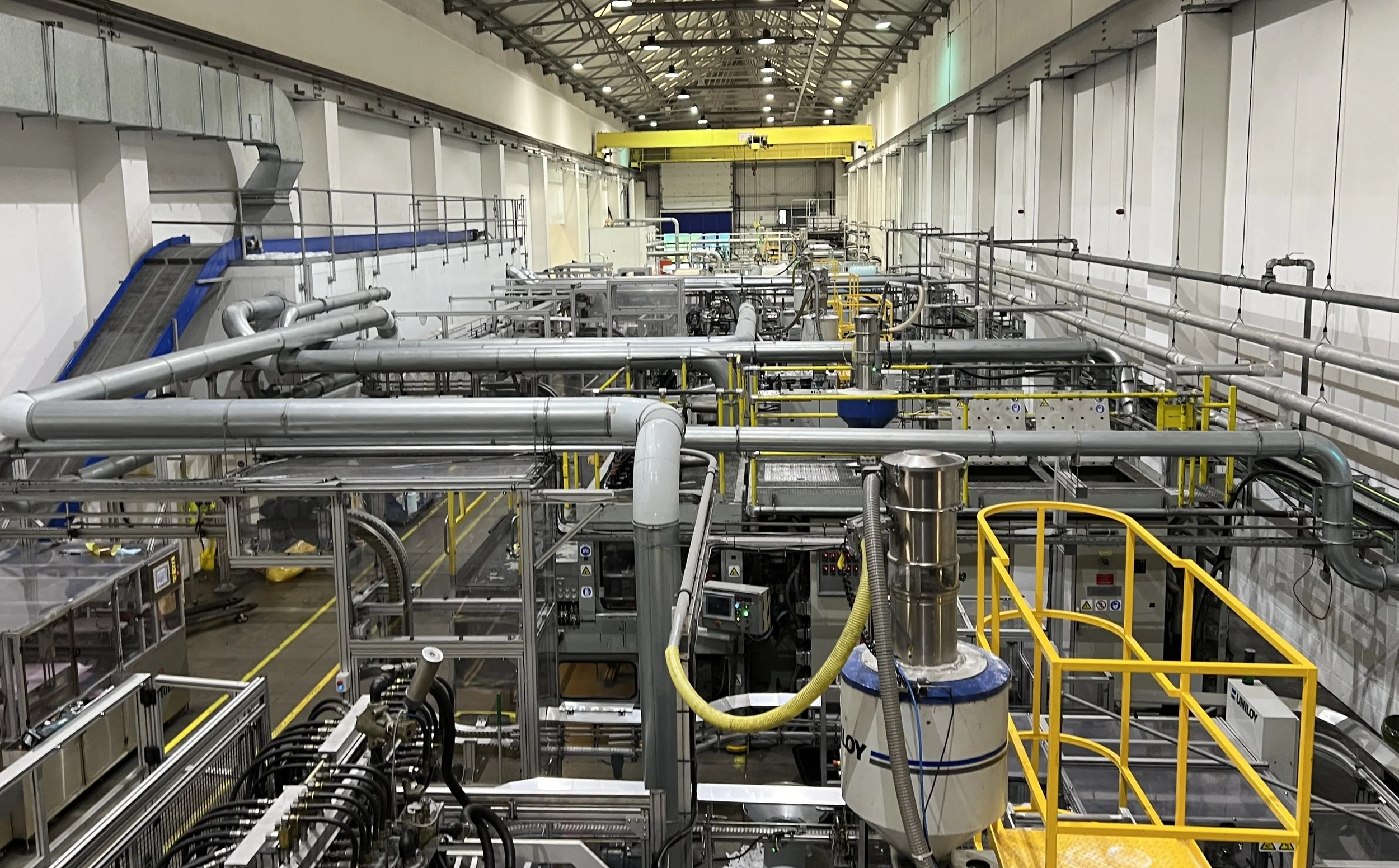
A new client was also planning on getting over 200 hearing tests done every year as it ‘sounds noisy’ in their factory. The noise assessment showed the averages to be well below the 85 dB(A) limit so hearing tests were not needed, a saving of around £5k per year.
Case Study 3
A factory measured their noise levels using a cheap noise meter but they had recorded the highest noise levels seen rather than averages. My noise assessment confirmed an absence of risk so no ongoing costs for mandatory hearing protection or health surveillance. The noise assessment saved around £2k, every year.
Case Study 2
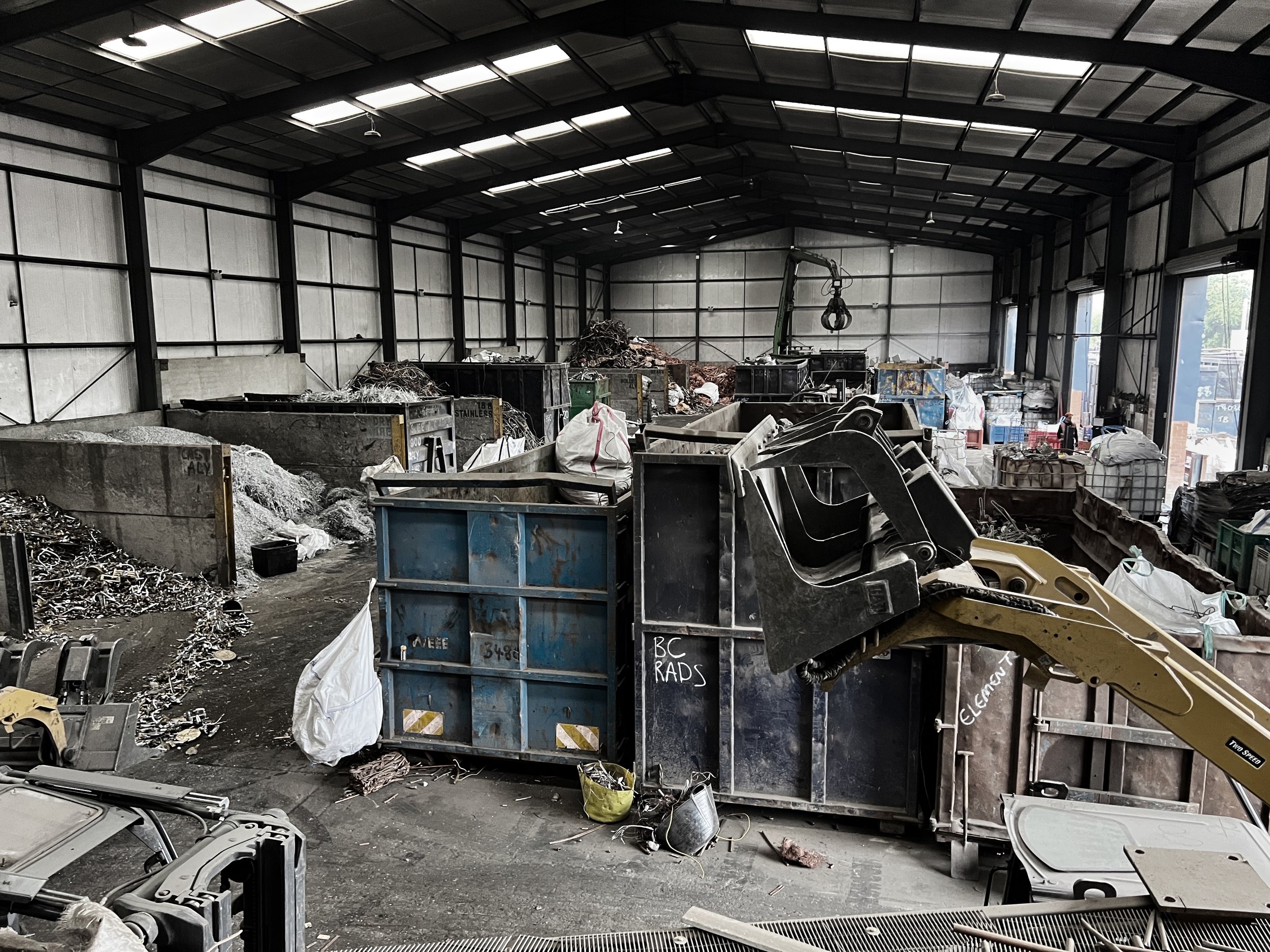
A company used a phone app to look at their noise and several years ago started getting all 380 staff covered with health surveillance, a cost of nearly £10k a year. They asked for a proper noise assessment and it confirmed that they actually only needed to get hearing tests done for 14 people. So from £10k to about £500, each year.
Case Study 4
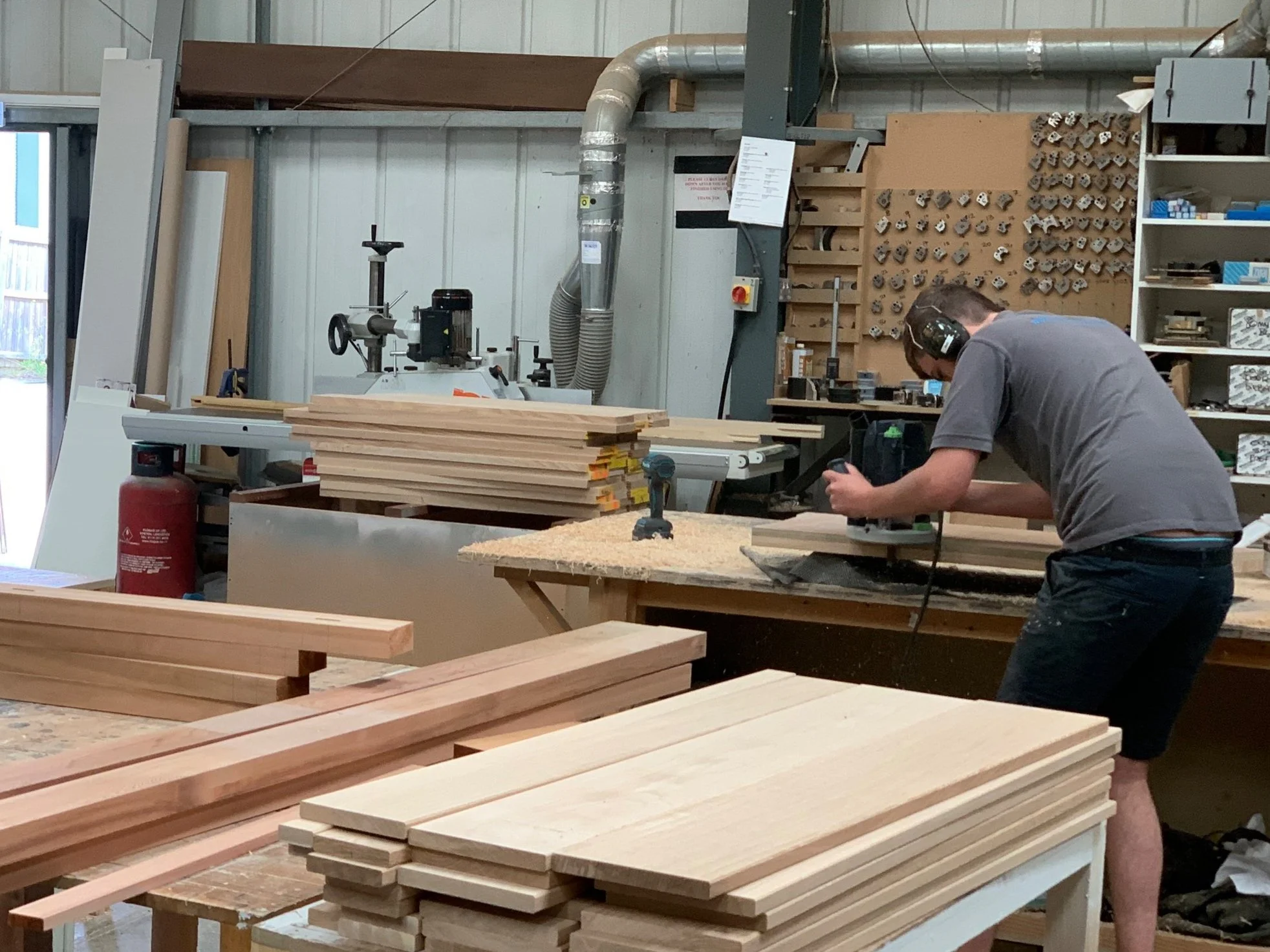
A company with a new factory was concerned to know if they had a noise risk. I did a full noise assessment for them and the results were that noise levels are low and nothing else was needed. The noise assessment confirmed a saving of around £4,000 a year for health surveillance, along with the costs of hearing protection.
“Thanks for this and your very competitive price. Our first workplace noise assessment was carried out by a large company who charged accordingly. Their report was was full of graphs and data which were not easily digestible, I like that you provide the data in a clear ‘your results are this and I would recommend you do this and this next’ way.”
Free tools to help with managing noise risks in the workplace
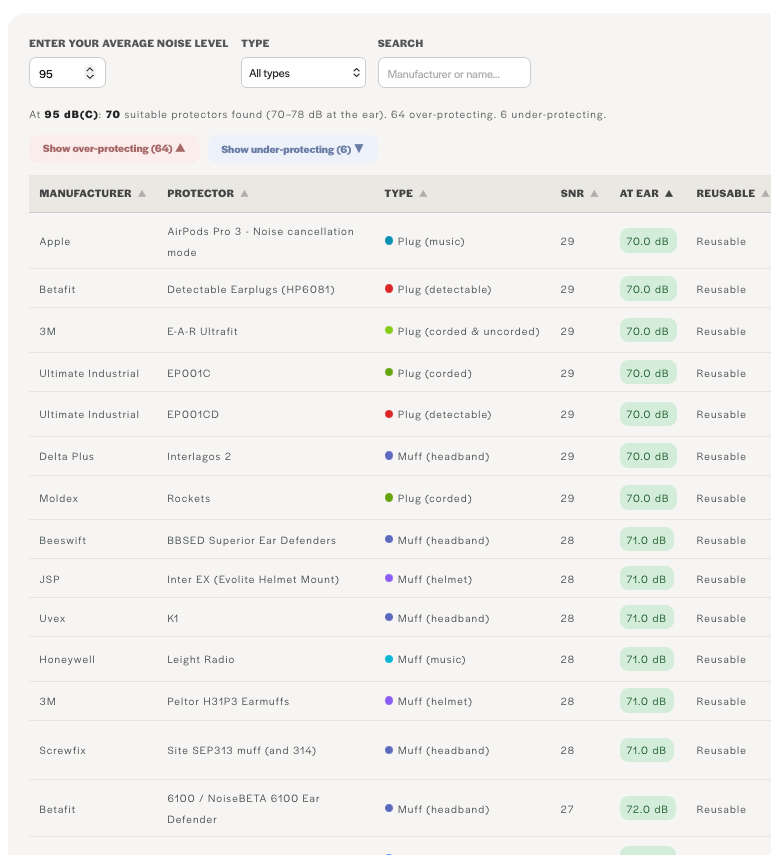
Free hearing protection selection tool
Using this, you can enter your noise level and it will give you a selection of hearing protectors which are appropriate for that risk.
Also on the same page are tools to identify what is a good SNR level to aim for with a particular noise risk, and a list of hearing protectors I recommend for various noise levels.
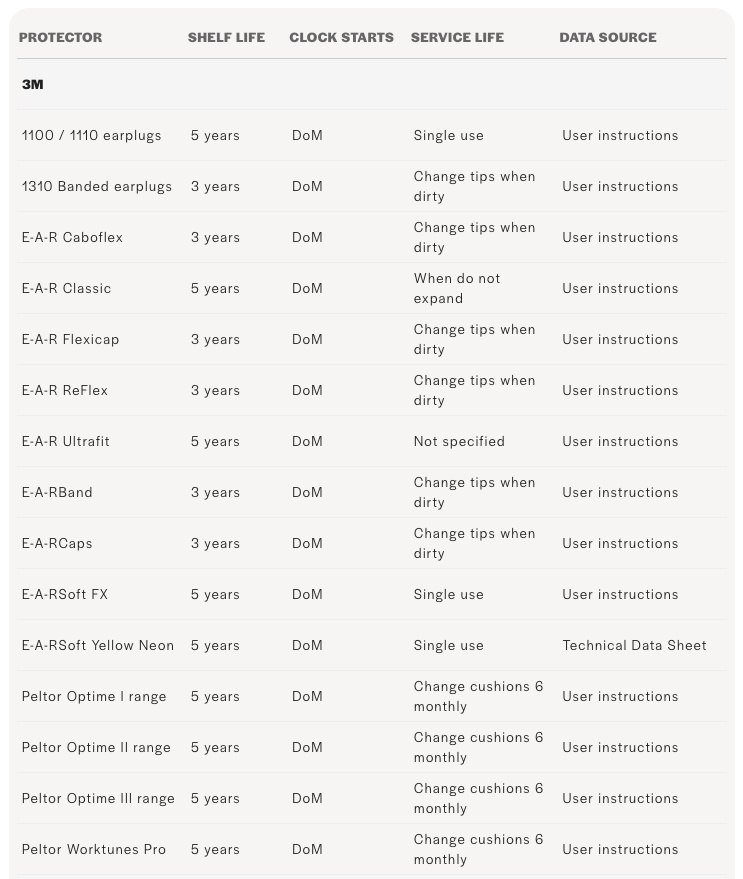
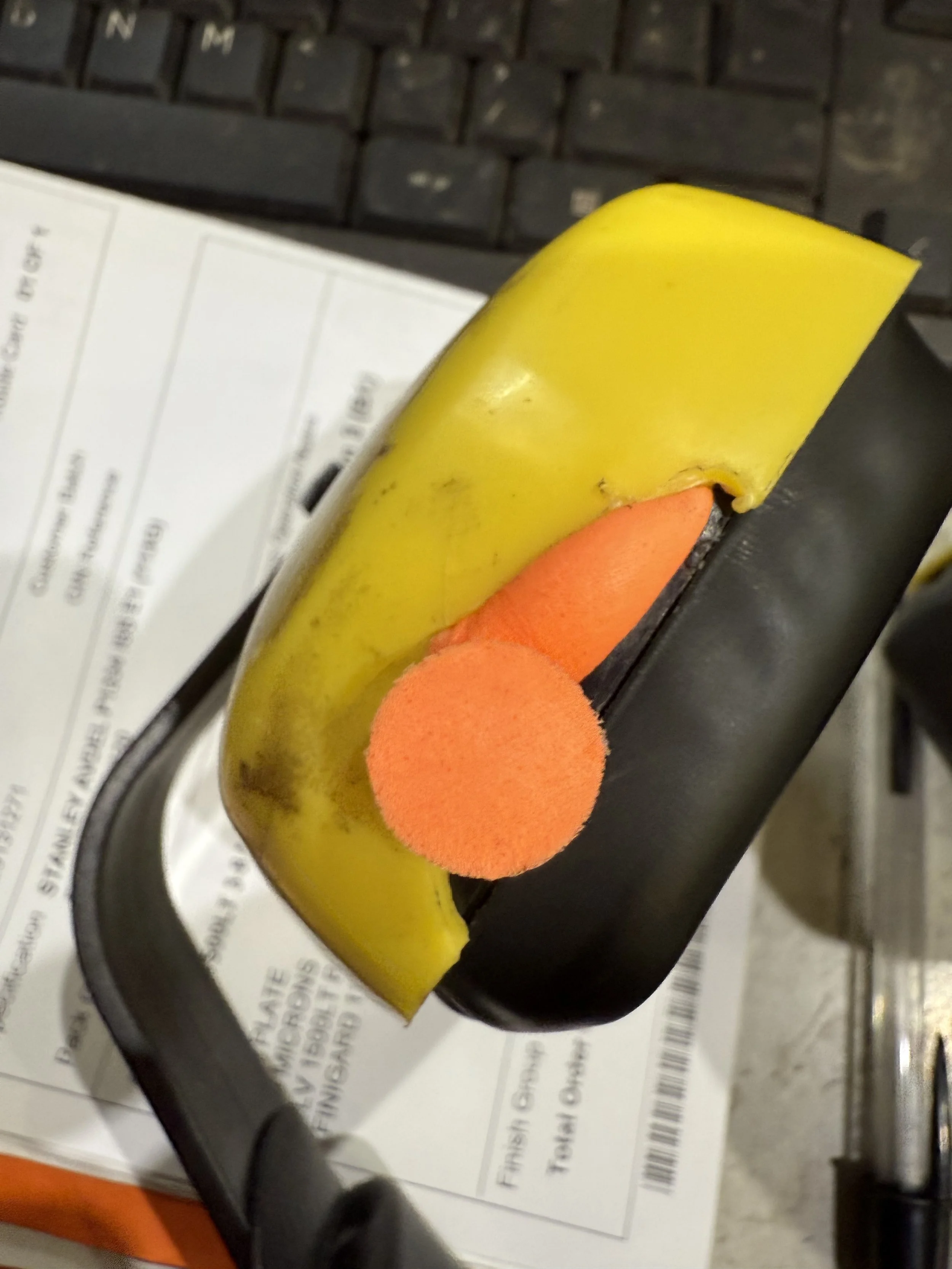
Shelf life and service life of hearing protection
Hearing protection does not last indefinitely and has an expiry date, usually from the date it was first manufactured.
This is a list of common hearing protection with detail on how long it lasts, and any in-service requirements such as regular replacement of the cushions for ear muffs.
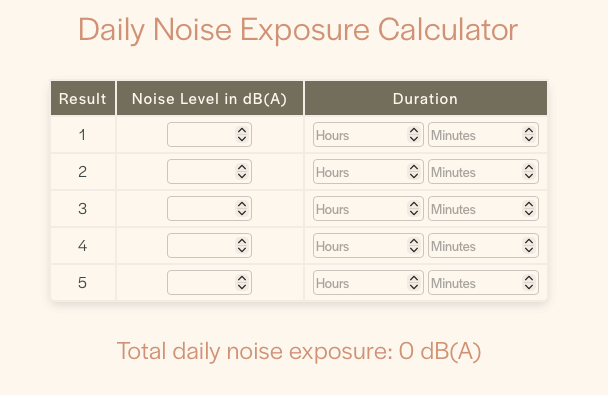
Free noise exposure calculator tool
This tool allows you to find out what a daily or weekly noise exposure level will be for someone.
The daily one allows you to enter up to five different noise exposure levels and how long each exposure is, useful for employees who use different tools or do different jobs throughout their normal working day.
Want to know more about industrial noise assessment or workplace noise surveys?
-
Noise assessment isn’t a one-shot process and you do need to repeat them every so often, but that doesn’t always mean getting someone like me in every time. As much as my bank balance would thank you, you can do reviews in-house and then get a new assessment done from scratch less frequently.
For the in-house review, have a look around and has anything changed? New equipment, machines moved around, shift lengths changed, etc.? If the answer is no then you are done. Document that you did it.
The less frequent repeat is something I would advise roughly every three years which will catch things like small unnoticed changes to a motor here and there, etc. This is my recommendation and no matter what other consultants tell you, there is no law about when you must redo the whole thing from scratch.
-
The limits in the Noise Regs relate to eight hour daily average exposures but that doesn’t mean a noise assessment has to be over eight hours. If someone works on a machine which has a cycle of anything from a minute to half an hour, once you have measured the noise for a few cycles you will have a level for it. From that point on it doesn’t matter how long you measure for, the result is exactly the same.
What also matters is how many noise meters are being used. I have 15 so in three hours of assessment I am doing the equivalent of 45 hours of measuring. The time on site is not related to the number or accuracy of measurements. What I don’t do is pad out the time to make the invoice bigger.
Read more on dealing with eight hour averages and how long a noise assessment should take
-
I am just me, and I only do noise. That means I specialise in noise assessment, day in day out, in every type of industry. As I have no office team, no sales team, indeed no office at all, my overheads are very low meaning I can provide the noise assessments at a very cost-effective price.
I have no other products to up-sell, and no possibility for financial benefit in any recommendations I may make based on your noise risk.
I write my reports for ‘normal people’ so it is a nice and clear ‘your risk is this, you should do this about it’.
I have invested in a lot of high quality noise meters, around 15 of them now, meaning I can cover large areas both accurately and cost-effectively. I do not use cheap noise meters from Amazon.
I do a lot of noise assessments for clients who have had the HSE in and need Noise Regs-compliant noise surveys doing.
I have clients who have been returning to me for 20 years now.
-
If there is reason to think noise levels may be approaching 80 dB(A), then they need to arrange a noise assessment to confirm the actual noise levels present.
If the noise assessment gives levels of 80 to 84 dB(A) then all employees need to have noise safety training and hearing protection has to be available, but employees can choose whether to wear it or not.
If the noise assessment shows levels are 85 dB(A) or over then everything else applies, so the training element along with mandatory hearing protection and mandatory hearing testing. Employers also have to reduce noise levels as much as is reasonable or possible to do so.
Read more on the legal requirements for managing noise at work
-
A noise assessment is what an employer needs to do if there is reason to think noise levels may be averaging over 80 dB(A) in all or part of the workplace. That is an average for the shift by the way, not individual instances.
The noise assessment works out what the daily noise exposure is likely to be for people, and as all hearing protection is different it assesses if the hearing protection is OK for the specific noise risk. It also looks at who needs noise training and things like hearing testing.
A noise risk assessment is a very simple document referencing that, and also things like the in-house policies for issuing and controlling PPE, who manages the hearing testing programme, etc.
-
I am based near the West Midlands and do noise assessments in all areas of mainland England, Wales and Scotland, including Isle of Wight. I group work geographically and cover the entire country. I haunt the hotels of the UK’s industrial estates more than is probably healthy.
Particularly busy areas for noise assessments are London and the South East, Wiltshire and Somerset, the Welsh valleys, Birmingham and the West Midlands, Leicestershire and Nottinghamshire, the M62 corridor from Liverpool to Hull via Manchester and Leeds, Newcastle, the M8 region between Glasgow and Edinburgh and more remote areas such as Cornwall and Inverness.
As I group the noise surveys geographically I don’t add hefty travel charges.
Featured articles about noise assessment and managing noise risk at work.
The In-Depth Articles page has loads more advice on noise assessments and managing noise risks at work, everything from noise assessments to light-up noise safety signs, what health surveillance is and how to manage it, through to choosing the right hearing protection.



“Great report, and yes, I read it all and have also even used it for CPD and it will be used as reference in the future, maybe even some training elements!”